I design the product and the system around it. Fifteen years in complex products. Barcelona, 2017 to 2025.
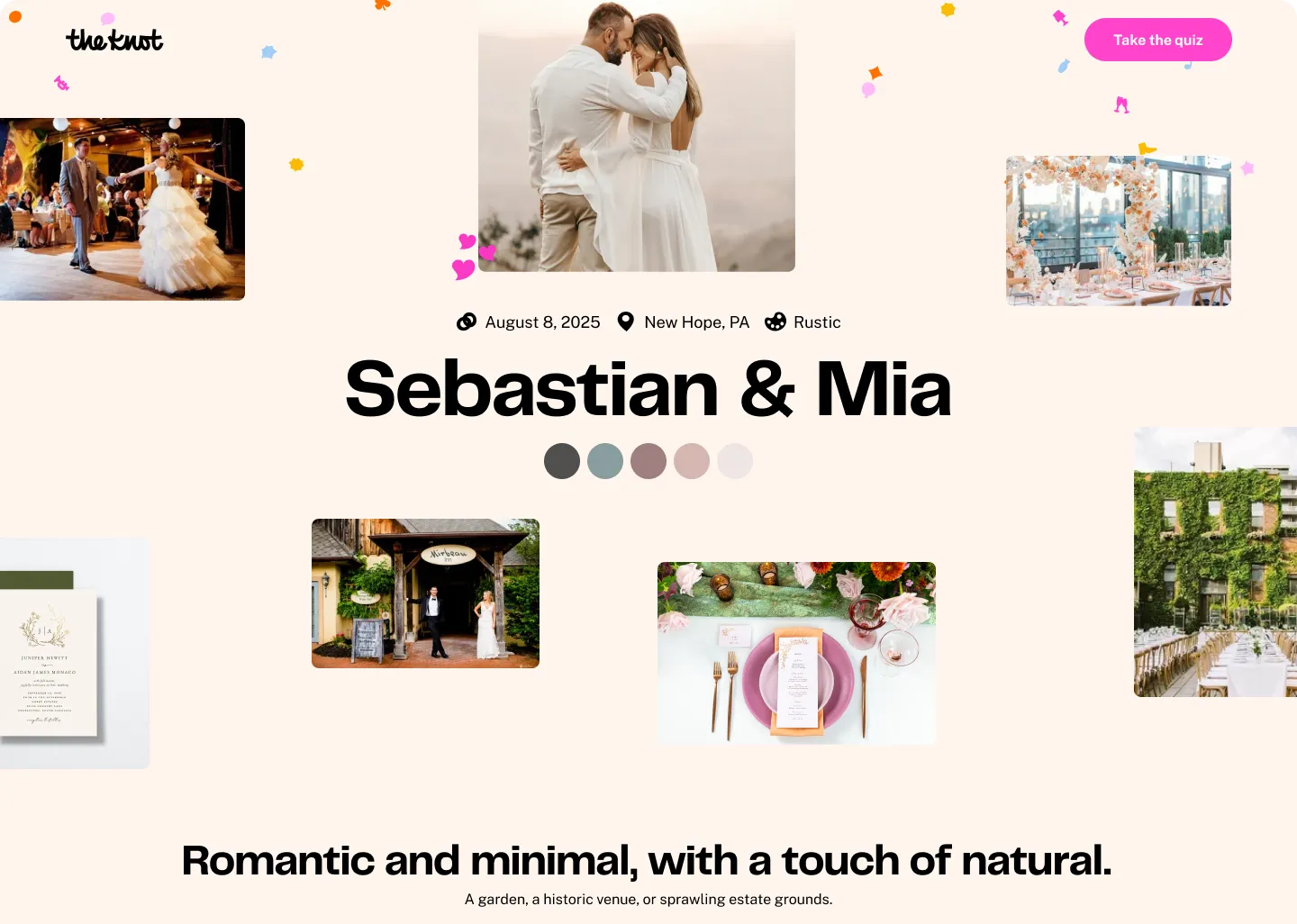





Lifecycle Modular System
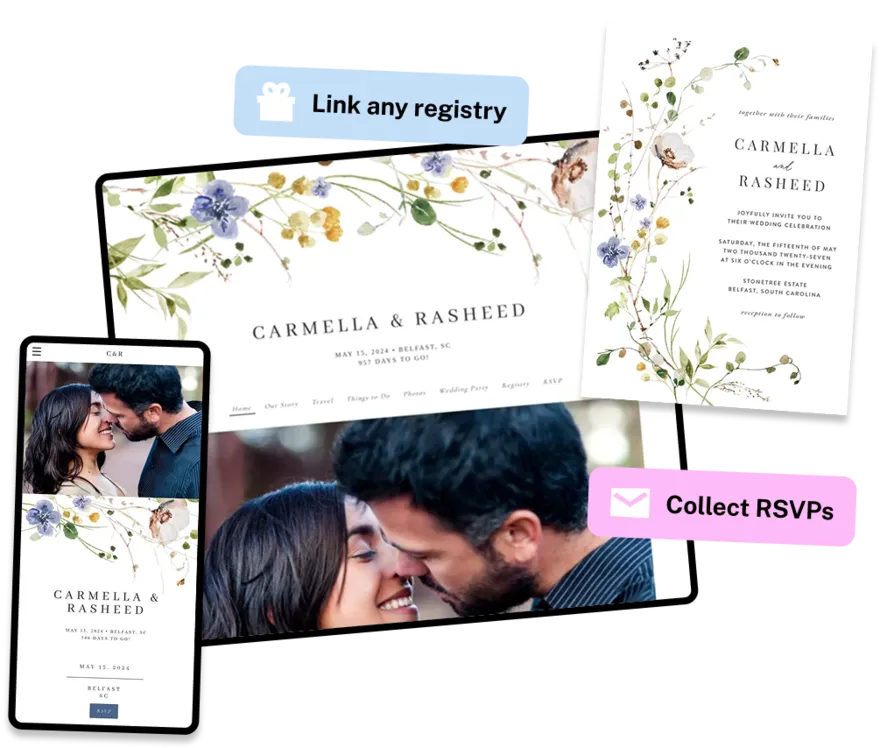
Seven landing pages written by seven teams to seven briefs. The system replaced pages, not components — and the consolidation was the design work.
+5% · 7 → 1 · 7 functions
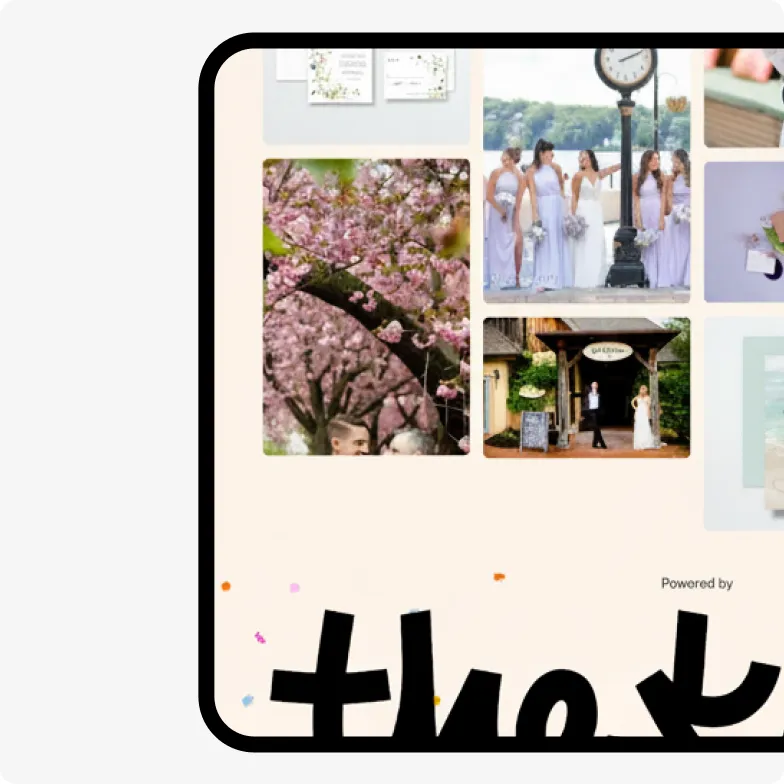
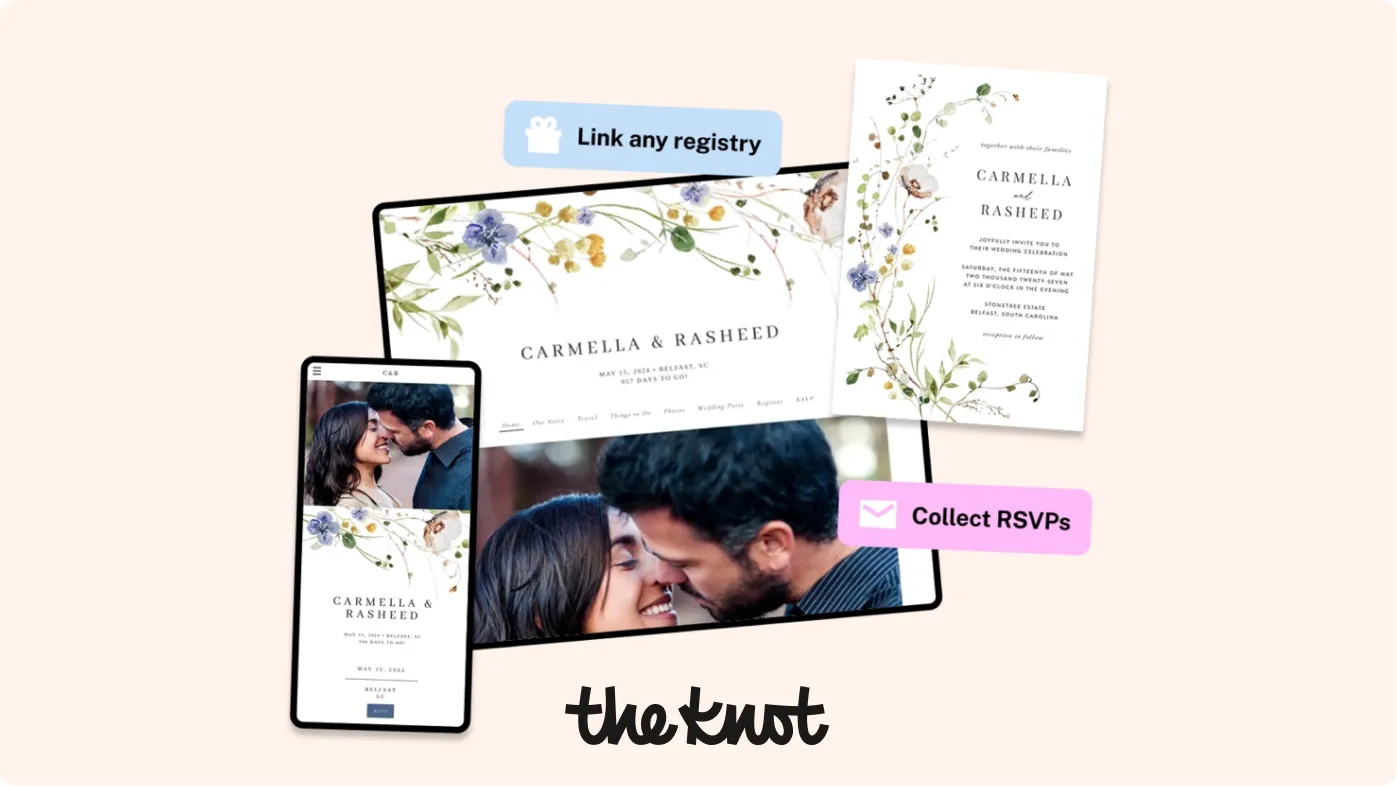
Top of the Funnel
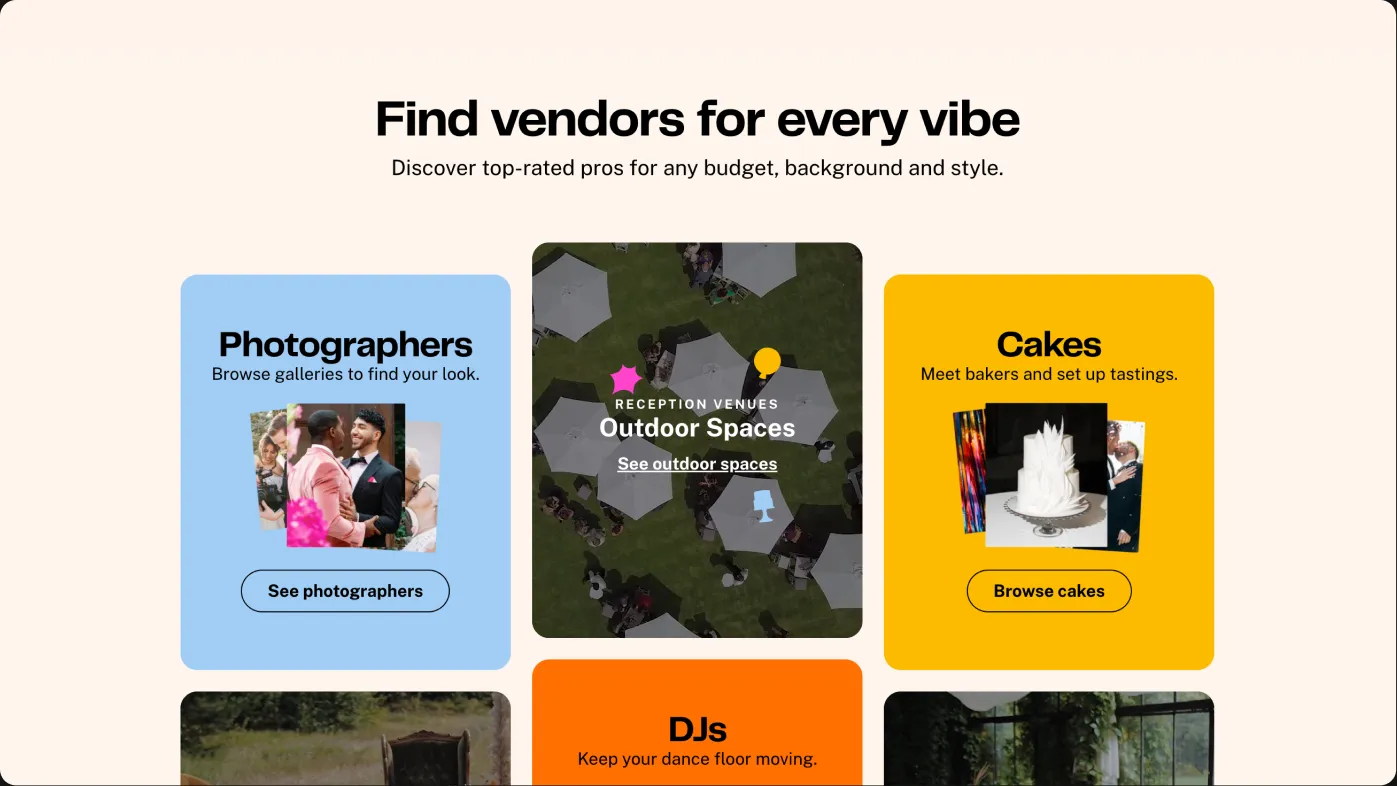
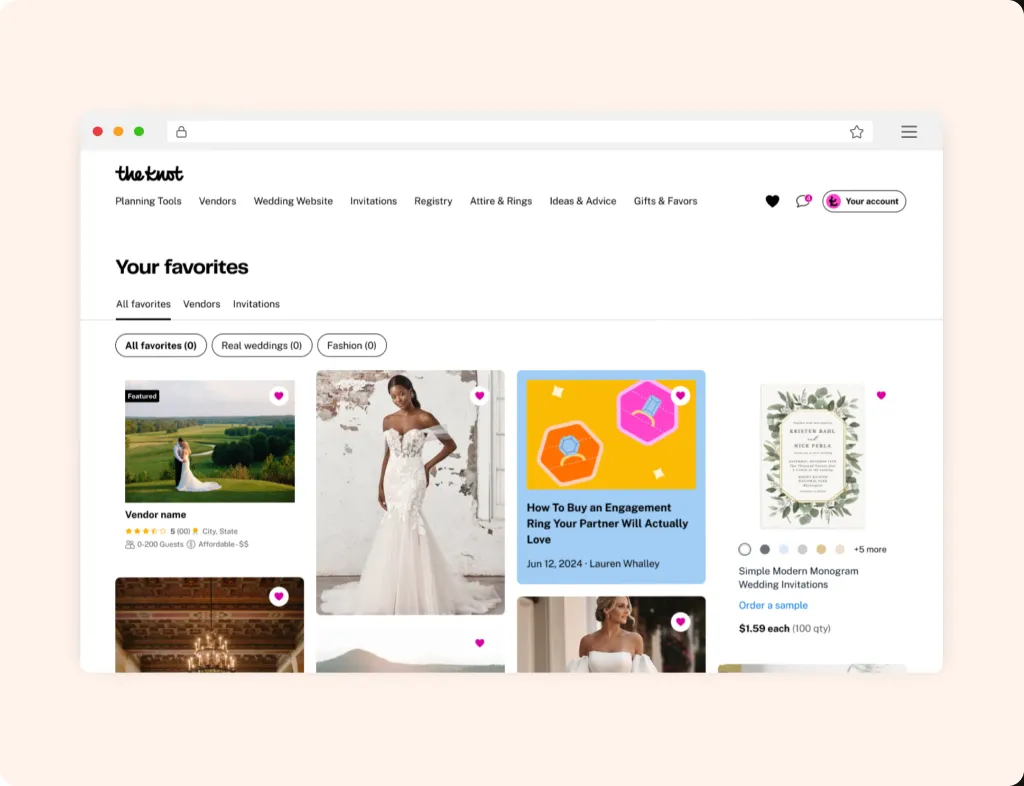
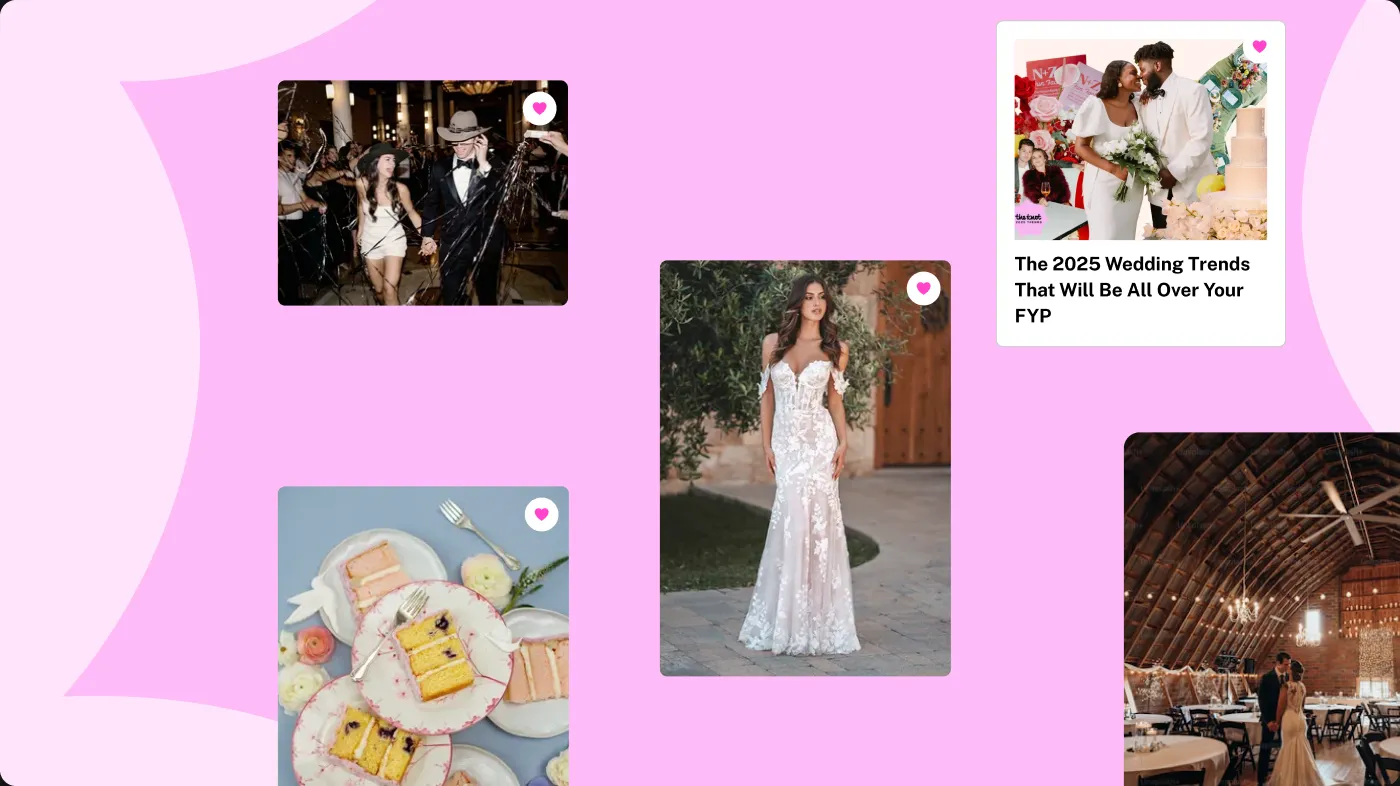
Three years owning every surface where newly engaged couples arrive, discover what they want, and decide whether to sign up. 200,000+ vendors, 70% mobile traffic, small shared teams. The AI Style Quiz is the piece in that scope with the most measured impact.
16M · +17% · +7.9% · −40%
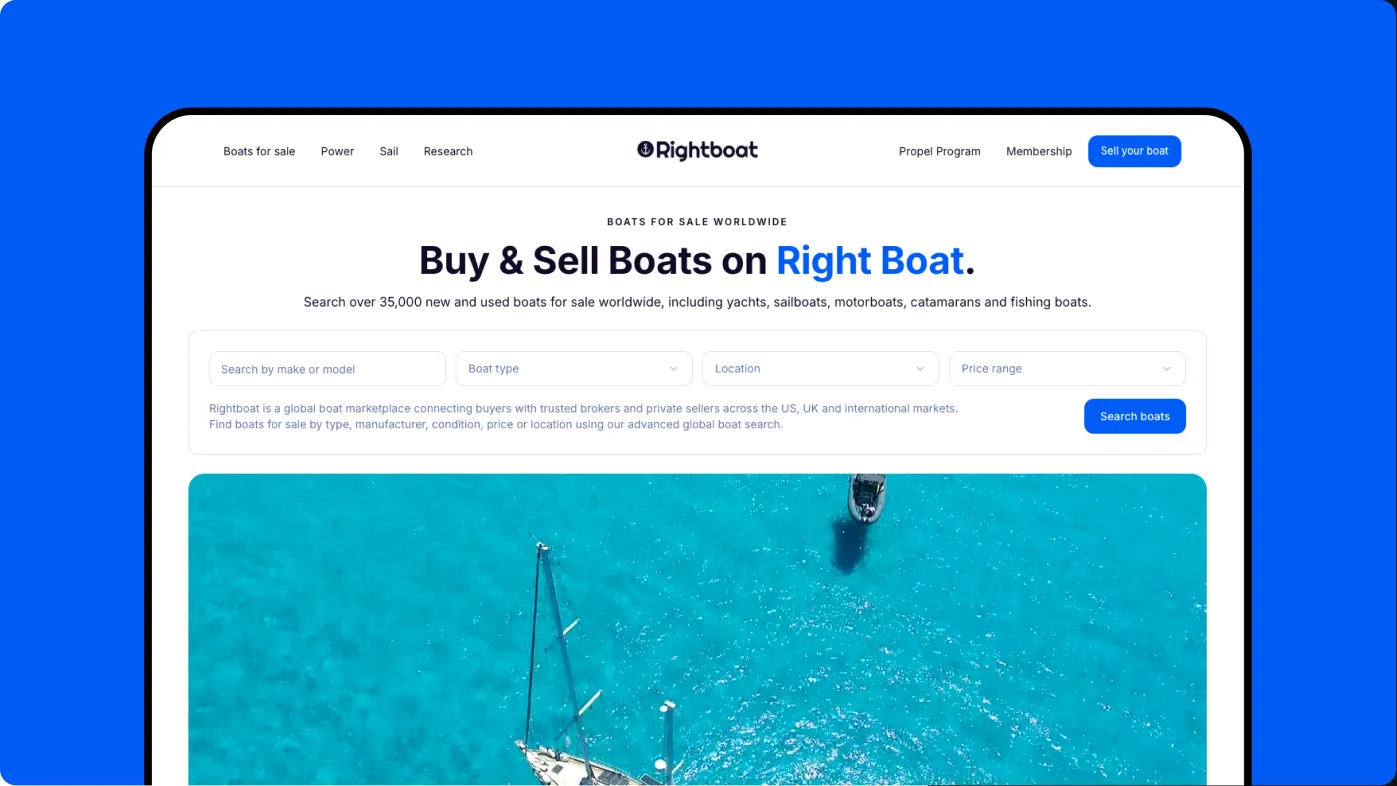
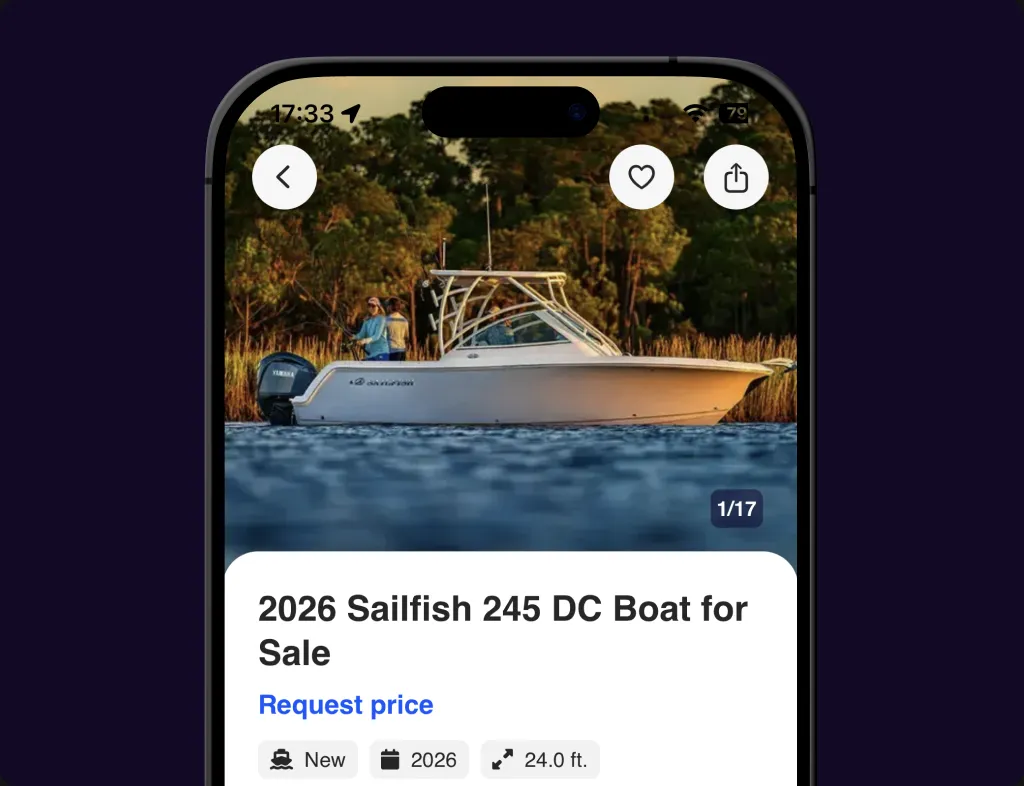
Rightboat
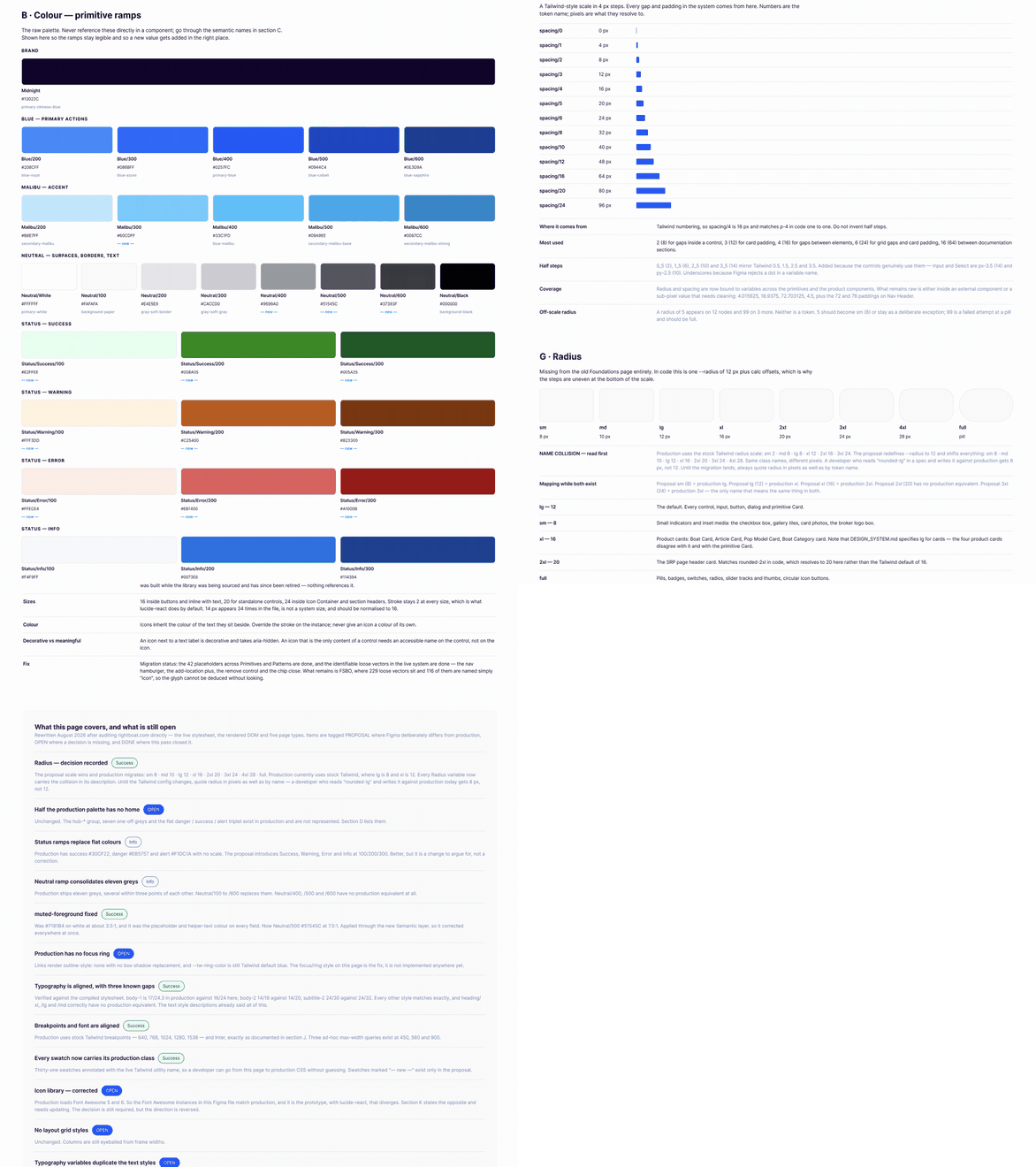
Tokens and structure in the code, tested on coding agents and audited in source. Built and validated in a React prototype. Leads per page view +55% on flat traffic.
+55% · +61% · flat
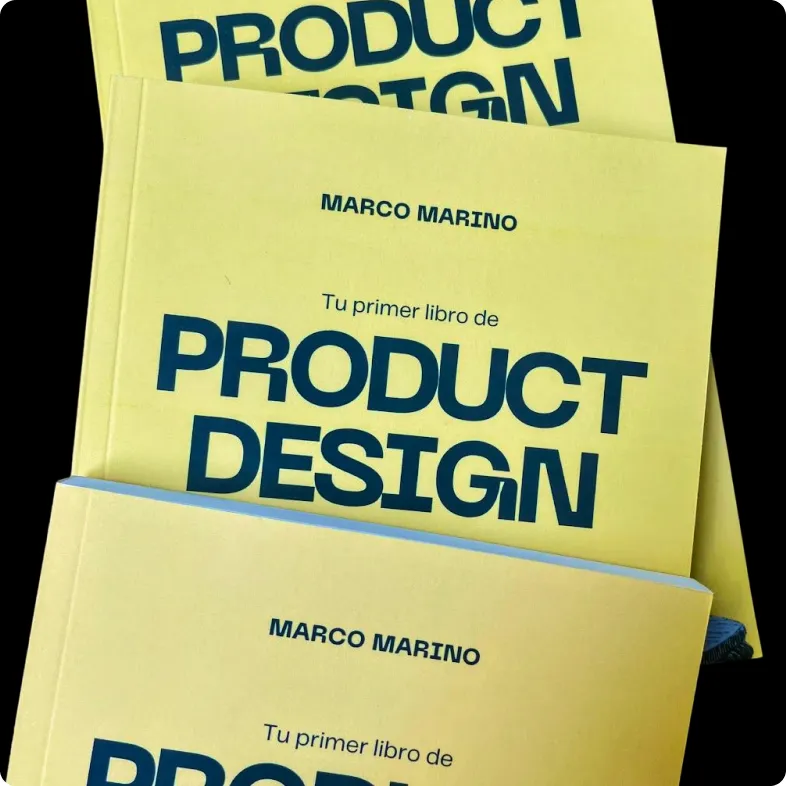
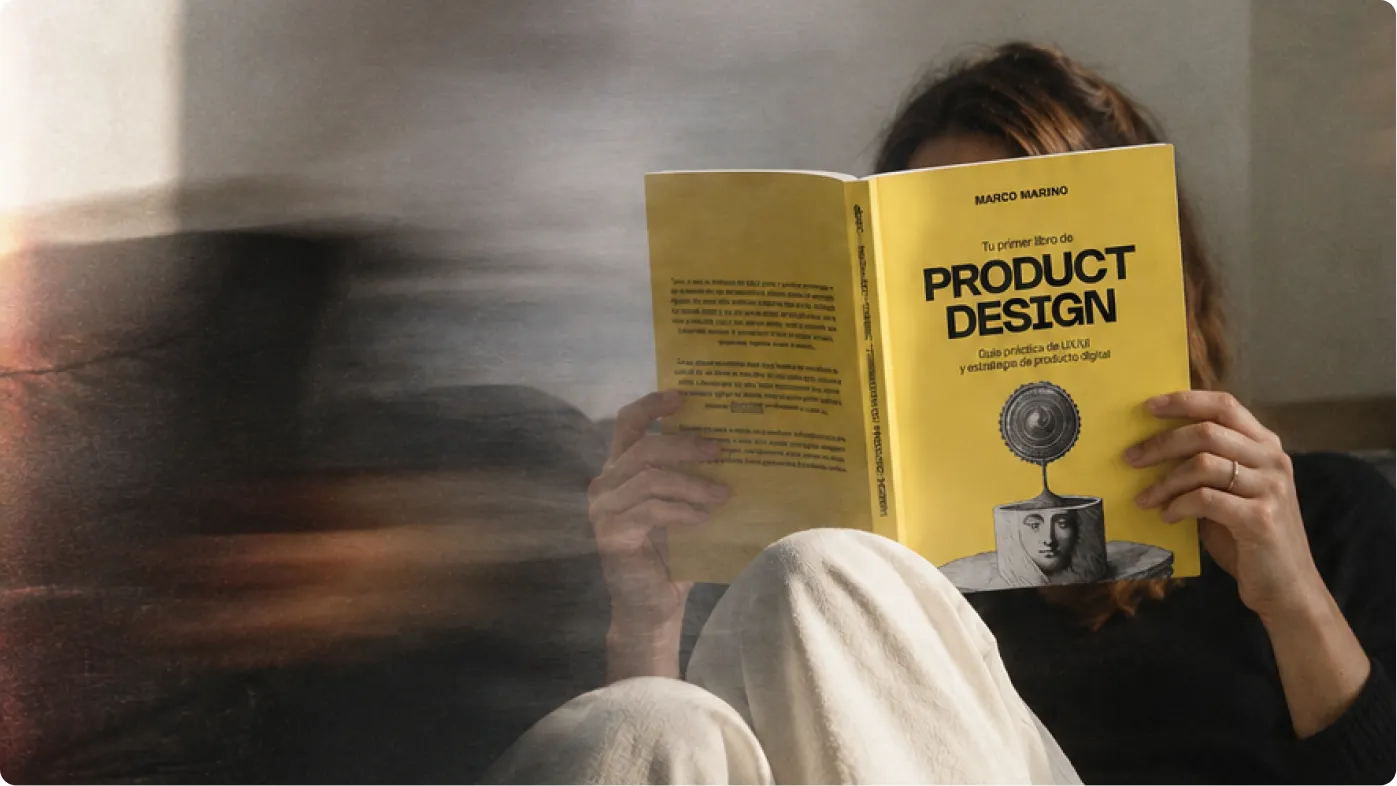
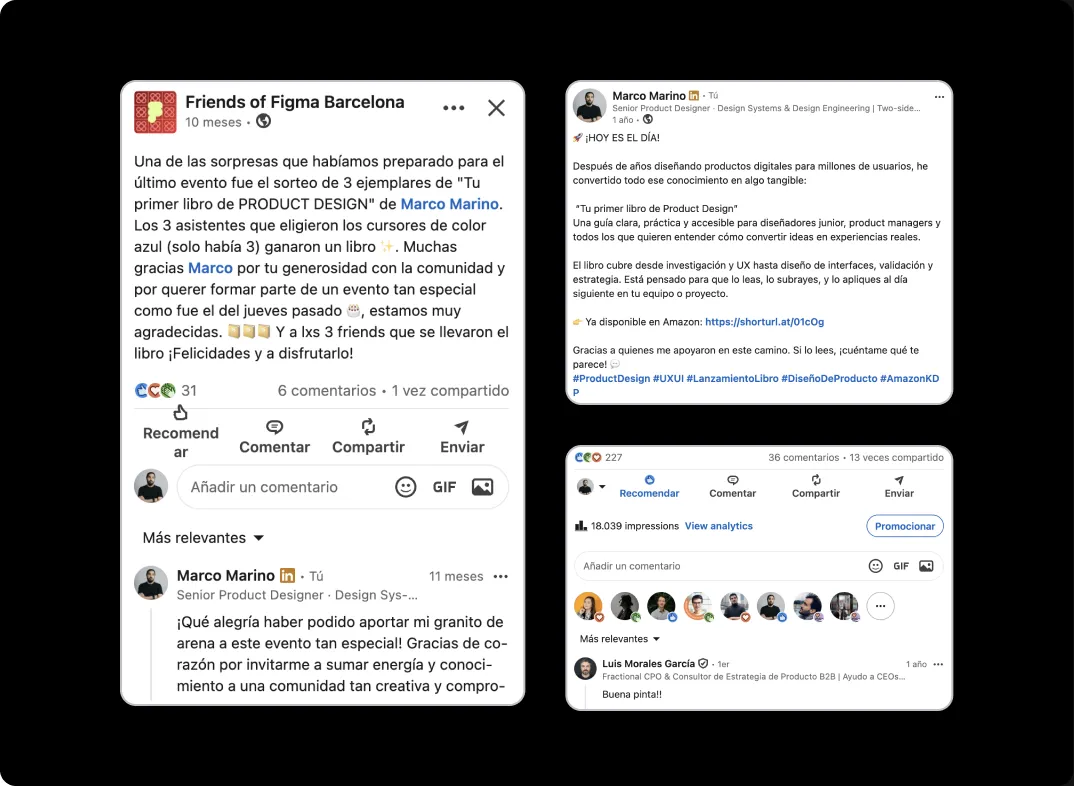
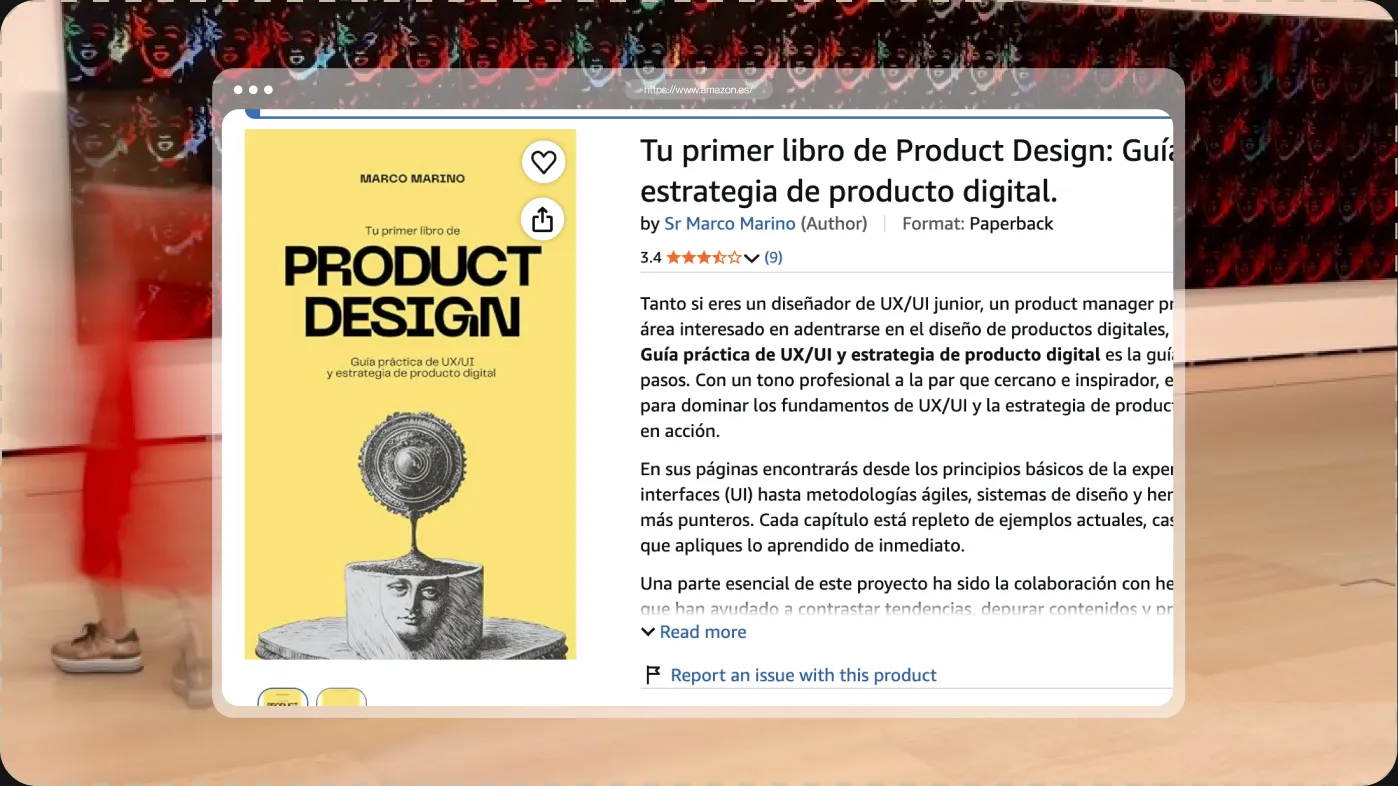
Tu primer libro de Product Design
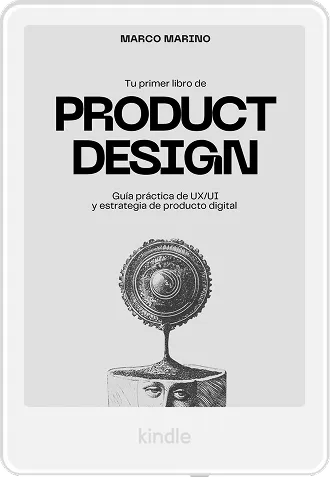
A 144-page guide to product design as a decision system — listen, define, collaborate, prototype, test, measure, scale. Self-published on Amazon KDP, June 2025.
12 chapters · 29 companies as evidence
How I work
Evidence first, then the hypothesis, then something navigable that makes the decision arguable — and only then the decision, documented and dated.
The metric never travels alone. It comes with the constraint that made it hard — two part-time engineers, 70% mobile traffic on a desktop design, internal scepticism about AI — and the decision that was taken. A number without its constraint is a claim, not evidence.
AI widens the option space and makes the work verifiable faster. It does not decide what deserves to exist. Synthetic Users Lab is mine end to end: designed, written and deployed by me.
I spent the last year designing product on my own: Plinng, then Rightboat's design system through September 2026. What I want next is a product with scale and a team to stay on with after the handoff. — Get in touch
- Focus
- Design systems, two-sided marketplaces, AI-native products
- Design
- Figma, Variables, Tokens Studio, Code Connect, Storybook
- Code
- React 19, TypeScript, Next.js, Tailwind, Claude Code, Cursor
- Languages
- Spanish (native), Italian (native), English (fluent)
- Contact
- hellomarcomarino@gmail.com · LinkedIn
FAQ
Questions hiring managers ask
The objections that usually wait for the call. Answered here, in the same voice as the work.
-
What problems do you actually take on?
Two-sided marketplaces, and the systems that let a small team keep compounding. The work is usually the constraint: three engineers, 70% mobile traffic on a desktop design, seven teams writing seven versions of the same promise. At The Knot the answer was one modular system that replaced seven landing pages, +5% in pre-HVAs and one source for engineering to maintain instead of seven.
-
Nine years in weddings. Does that transfer?
The category is learnable. What transfers is liquidity, trust at high ticket, and the split between where traffic lives and where conversion happens. Rightboat is that argument in another market: +55% leads per page view on flat traffic, from the same split between where people browse and where they contact.
-
You went independent in 2025. Why in-house now?
I left The Knot in December 2025 to close one specific gap: the one between what I designed and what got shipped. I closed it at Plinng by building the system in code. At Rightboat I ran the design system in Figma and in a React prototype, checked against each other token by token, on retainer through September 2026. That contract wrapped, and what I want now is what a one-person setup can’t give: a product with scale, a team, and staying on after the handoff.
-
Design systems since 2026?
No — since 2016. Decathlon Spain launched dozens of campaign landings a year through three agencies, each with its own layout. I built the digital style guide and three reusable templates that unified them, before "design system" was standard vocabulary in Spanish e-commerce. What I’ve learned in the last two years isn’t what a system is. It’s building it myself instead of waiting for someone to implement it.
-
How do you work with engineering?
In their artifacts: Figma variables, tokens in CSS, a navigable React prototype, and a diff between the file and the running code. On Rightboat that diff replaced 59 literal colours in the prototype with their tokens and left four, declared as gaps. A system is only real when you can measure that drift.
-
How do you use AI?
As a tool that runs the parts that can be measured, so I can spend the time on the parts that can’t. On Rightboat, agents ran the audit; the brief and the review were the design work. Synthetic Users Lab is that split turned into a product: 21 deterministic checks against 14 WCAG criteria first, the model second, and every finding labelled measured or inferred. It widens the option space. It doesn’t decide what deserves to exist.
-
Where are you, and what are you looking for?
Barcelona, available now: my last contract closed in September 2026. EU citizen, no sponsorship needed. Senior or staff product design, full time, remote across the EEA or hybrid here. Design systems and two-sided marketplaces first.